
The Link Between Hearing Loss and Cognitive Decline: Protecting Your Brain Health

Why Hearing and Brain Health Go Hand in Hand
Hearing loss affects more than just your ears. Recent research shows a strong connection between hearing loss and cognitive decline, including memory problems and even dementia. When hearing is not treated, the brain works harder to fill in the gaps. Over time, this extra strain may affect memory, focus, and overall mental health.
In Memphis, many families are beginning to recognize this link. Local senior centers and Alzheimer’s support groups often stress how important it is to address hearing problems early. At Professional Audiological Services, our goal is to provide compassionate, evidence-based care that helps protect both your hearing and your brain health.
Understanding Hearing Loss
What Is Hearing Loss?
Hearing loss happens when the ears or auditory system can no longer process sounds clearly. Common causes include:
- Age-related changes (presbycusis)
- Noise exposure from work or recreation
- Ear infections or medical conditions
- Genetic factors
Hearing loss is measured in degrees (mild, moderate, severe, or profound) and can affect one or both ears.
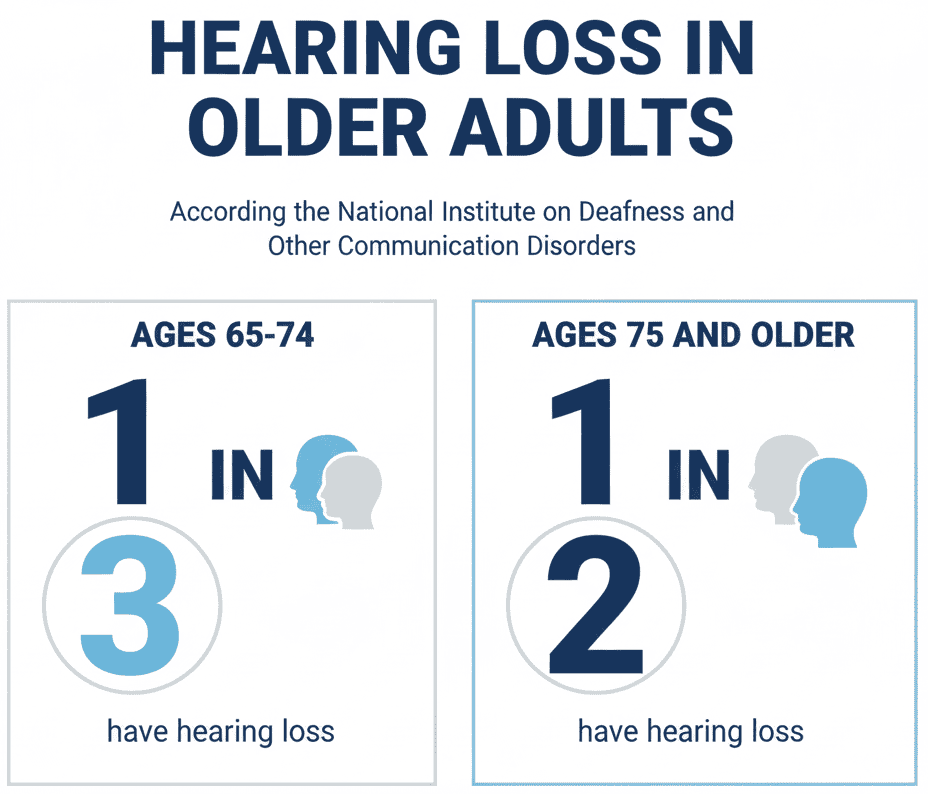
How Common Is It?
The Science Behind Hearing and Cognition
Why the Brain Struggles
When you cannot hear well, the brain has to work harder to understand conversations. Instead of focusing on memory or problem-solving, your brain diverts resources to decoding incomplete sounds. Over time, this constant effort can reduce cognitive reserve—the brain’s ability to handle stress and stay resilient.
Research Highlights
- Johns Hopkins Study: Older adults with hearing loss were found to have a 24% higher risk of cognitive decline compared to those with normal hearing.
- Lancet Commission Report (2020): Identified hearing loss as the largest modifiable risk factor for dementia, accounting for up to 8% of global cases.
- Local Awareness: Alzheimer’s & Dementia Services of Memphis, a local nonprofit, regularly reminds families about the importance of hearing care in dementia prevention programs.
The Emotional and Social Impact
Cognitive decline linked to hearing loss is not only a medical concern. It also affects daily life.
- Isolation: People with untreated hearing loss may avoid social gatherings.
- Frustration: Repeatedly asking “What?” can strain family relationships.
- Depression: A lack of social connection increases the risk of sadness and hopelessness.
In Memphis, we see this often at community centers like the Lewis Senior Center and Orange Mound Community Center, where group activities depend on clear communication.
Protecting Brain Health Through Hearing Care
Early Detection Matters
The first step is a comprehensive hearing evaluation. Unlike quick screenings, a full evaluation measures different aspects of hearing, from speech recognition to inner ear response. This gives a complete picture of how your hearing affects your brain health.
Consistent Treatment
Treatment depends on the type and level of hearing loss:
- Hearing aids: Modern devices amplify sounds while filtering background noise.
- Assistive devices: Tools like TV streamers or Bluetooth microphones make daily activities easier.
- On-site repairs: At Professional Audiological Services in Memphis, our repair lab allows many fixes to be done the same day. This reduces downtime and keeps your brain engaged in daily conversations.
Whole-Patient Care
Hearing care is more than just devices. It includes counseling, follow-ups, and adjustments to ensure long-term success. When patients stay engaged, they protect both hearing and cognitive function.
Hearing Loss and Memory: A Closer Look
The Brain’s “Use It or Lose It” Principle
When parts of the brain linked to hearing are underused, those regions may shrink. Studies using brain imaging have shown reduced gray matter in people with untreated hearing loss.
Practical Example
Imagine a group conversation at a busy Memphis café like Otherlands Coffee Bar. A person with normal hearing can easily follow along. Someone with untreated hearing loss may only catch every third word, causing the brain to guess at the rest. Over time, this guessing game leads to mental fatigue and reduced memory retention.
Local Resources in Memphis
Where to Find Support
- Alzheimer’s & Dementia Services of Memphis: Provides education and day services for families.
- Church Health Center: Offers community wellness programs where hearing health is often discussed.
- Local Memory Care Facilities: Such as The Village at Germantown, emphasize hearing evaluations for residents.
Awareness Events
- Walk to End Alzheimer’s – Memphis: This annual event highlights the importance of addressing all risk factors, including hearing loss.
- Better Hearing Month (May): Local clinics, including ours, often provide free community education during this time.
FAQs About Hearing and Cognitive Decline
Does everyone with hearing loss get dementia?
No. But untreated hearing loss increases the risk. Early treatment reduces the likelihood of decline.
Are hearing aids proven to help?
Yes. A 2023 study in The Lancet found that hearing aid users had slower rates of cognitive decline compared to non-users.
What age should I start testing my hearing?
Experts recommend baseline testing at age 50 and regular checkups every 2–3 years, or sooner if symptoms appear.
What if I only notice mild problems?
Even mild hearing loss doubles the risk of cognitive issues. Early action is the best prevention.
Practical Steps You Can Take
- Schedule a hearing test at a trusted audiology clinic.
- Ask your doctor about the link between hearing and memory.
- Join a local support group, like those hosted at the Bartlett Senior Center.
- Encourage loved ones to get tested, especially if they repeat questions or withdraw socially.
Taking Charge of Your Hearing and Brain Health
The connection between hearing loss and cognitive decline is clear: untreated hearing problems place stress on the brain, which can lead to memory loss, dementia, or reduced quality of life. The good news is that hearing loss is treatable.
For families in Memphis, addressing hearing concerns means more than clearer conversations. It’s about protecting long-term brain health, staying socially active, and maintaining independence.
At Professional Audiological Services, we combine compassionate care with advanced technology. From comprehensive evaluations to same-day repairs in our on-site lab, we are here to help you or your loved one rejoin the conversation and safeguard brain health for years to come.
Call to Action
Take the first step today. Visit Professional Audiological Services to schedule a hearing evaluation. Protect your hearing, preserve your memory, and enjoy a healthier future.

