
Hearing Loss Isn’t Painful, But Its Causes Can Be
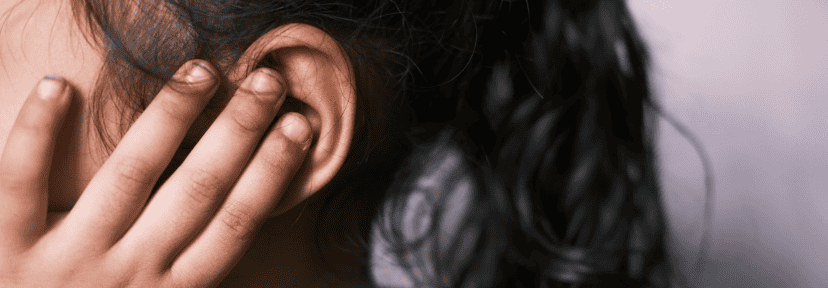
Hearing loss often sneaks up quietly. You might not feel any pain. You simply begin to miss words in conversation, turn up the TV louder, or struggle in noisy places. That’s why hearing loss treatment in Memphis and the surrounding Mid-South is so vital: the silent change can signal underlying conditions that can cause discomfort, damage, or broader health issues down the line.
In this article, we’ll explore why hearing loss often happens without pain, what hidden causes may be at work, how you can spot early warning signs, and why seeing a local audiology clinic in Memphis is a smart step. We’ll use clear language, real-world examples, and local context to help you whether you’re an adult, a parent, or someone working in a noisy environment.
What Does It Mean That Hearing Loss Is “Not Painful”?
The nature of hearing loss
Hearing loss means you’re less able to hear sounds you once heard easily. That could be soft speech, quiet background noise, or even conversations in groups. But unlike many medical conditions, loss of hearing doesn’t always hurt.
- You may not feel a sharp pain or ache in your ear.
- You may not notice dramatic changes overnight.
- You might simply mist something, then chalk it up to distraction or background noise.
- With no pain, you may delay getting checked.
That delay matters. Because though hearing loss might feel “just a nuisance” at first, the underlying causes can be harmful.
Why causes matter in hearing loss
Here are some of the common causes of hearing loss, many with no pain but that still require proper attention:
Noise exposure
Constant or repeated exposure to loud sound whether from concerts, industrial work, lawn equipment, or heavy traffic can damage delicate auditory cells in the inner ear. According to the Centers for Disease Control and Prevention (CDC), 12% of U.S. workers report hearing difficulty and 8% experience tinnitus (ringing in the ears) from noise at work. In simpler terms: you might think “just another loud day,” but over time, unseen damage builds.
Chronic infections & middle ear problems
Ear infections, fluid build-up, and other middle ear issues may play a role, especially in children. These conditions may not hurt much but can hamper hearing if left untreated.
Age-related changes (presbycusis)
As you age, your hearing apparatus naturally changes. The benefit? It’s common and expected. The trade-off? You might miss early hearing loss because you assume “it’s just age.” According to the World Health Organization (WHO), over 25% of people older than 60 suffer from disabling hearing loss.
Medical conditions & medications
Certain diseases (like diabetes, high blood pressure), hereditary factors, or ototoxic (ear-harmful) medications can contribute. These might not cause pain but still damage hearing.
Earwax blockage or physical obstructions
These cause hearing “muffled”ness rather than pain. They may feel like temporary issues but warrant evaluation.
Why Waiting Isn’t Safe: The Hidden Risks
Because hearing loss isn’t painful, people often delay evaluation. Here’s why that can be a mistake:
Communication & quality of life drop
- Missing 50 % of classroom discussion can happen in children with mild hearing loss.
- In adults, hearing loss is tied to higher risk of social isolation, depression, and cognitive strain.
- In a city like Memphis, with vibrant music, community life, and busy traffic zones, missing cues impacts more than just volume, it affects interaction, safety and enjoyment of daily life.
Underlying causes may worsen
- Unchecked noise damage is irreversible. The tiny hair cells in the inner ear do not regrow.
- Some conditions, ear infections, fluid behind the ear can lead to hearing loss plus other complications if not addressed early.
- Risk factors like diabetes or high blood pressure amplify damage. Delaying hearing assessment means missing the chance to catch these inter-linked issues.
Local environmental and occupational factors
In Memphis and the Mid-South, unique exposures could matter:
- Music venues, live events, and festivals frequent in Memphis mean loud-sound risk for younger adults.
- Industrial and manufacturing jobs around the region may involve long-term noise exposure. Global data suggest up to 24% of adults show hearing loss features from loud noise exposure.
- Urban traffic, sirens, train lines transportation noise is also a contributor. A U.S. study found significant hearing impairment risk for workers exposed to noise.
How to Spot Early Warning Signs of Hearing Loss
Since you won’t always feel pain, look for other cues. These suggest it’s time to schedule a hearing check, ideally at a local Memphis clinic offering hearing loss treatment.
Signs to watch for
- You ask people to repeat themselves often.
- You turn up the TV or radio louder than others prefer.
- Conversations in groups feel confusing—you miss parts.
- You hear ringing (tinnitus) or pressure in your ears.
- You struggle to hear on the phone or in noisy settings.
- A child appears inattentive, struggles academically, or you suspect hearing trouble.
What parents should know
Children may not say “I can’t hear.” They may:
- Sit too close to screens.
- Struggle at school or ask for repetition.
- Seem inattentive or frustrated.
Because even mild hearing loss affects learning and development, early evaluation is key.
Getting the Right Hearing Loss Treatment in Memphis
If you recognize one or more warning signs, here’s how you can steer toward effective care and why choosing a local, expert-led clinic is smart.
What happens at an evaluation
- A trained audiologist conducts a hearing test (adults and children).
- The test may include listening to tones in both ears, speech in quiet and noise, and comparing to age-norms.
- Your audiologist reviews your history—noise exposure, medical conditions, medications, ear infections.
- Based on the results, they’ll explain whether your hearing loss is mild, moderate, or more significant, and what the likely causes are.
Why local matters—Memphis area focus
Choosing a Memphis-based clinic means:
- Familiarity with local noise hazards (music venues, industrial zones, urban traffic).
- Access to on-site repair and services tailored to Mid-South lifestyles.
- Quick follow-up when you live or work locally.
- Personalized guidance in your context (for example, how to protect hearing in a busy Memphis concert or while working in manufacturing).
Treatment pathways
Depending on the cause and severity, treatment might include:
- Hearing aids, assistive listening devices.
- On-site hearing aid repair and adjustments.
- Counseling on noise protection and lifestyle changes.
- Management of ear health (infections, wax, fluid).
- Referral to ENT (ear, nose & throat) or medical care if an underlying condition is detected.
Preventing Further Damage: What You Can Do
Even if you have some hearing loss or want to avoid it altogether, the good news is you can take steps to protect and preserve your hearing.
Practical steps
- Use hearing protection in loud settings: concerts, factory work, lawn equipment.
- Monitor volume levels on personal devices. One study suggests “1 in 3 Americans are regularly exposed to excessive noise levels.”
- Take breaks from noisy environments to let your ears recover.
- Keep medical conditions in check: diabetes, hypertension, ear infections.
- Get regular hearing check-ups, especially if you’re over 50, work in a noisy field or attend loud events often.
- Choose a locally trusted clinic: for example, in Memphis, select a clinic experienced in both adult and pediatric audiology, offering full services and follow-up.
Community & local resources
- Music and entertainment: If you go to Memphis concerts (Beale Street, Ryman Auditorium, local festivals), bring earplugs or noise-reducing gear.
- Work-related noise: In manufacturing or industrial zones around Memphis/Southaven, speak with your employer on hearing protection.
- Schools & kids: Schools in Memphis should screen students for hearing. If your child shows signs of struggle, insist on a full audiology evaluation via your local clinic.
Why “No Pain” Doesn’t Mean “No Problem”
It helps to remember: just because hearing loss doesn’t hurt doesn’t mean it’s harmless.
The silent progression
- Hearing loss often builds gradually. You may adapt without realizing it.
- Symptoms may seem minor at first—missing a word here or there—but over time you lose more.
- While you wait, the cause may evolve (e.g., untreated infection, ongoing noise exposure).
Broader health implications
- Hearing loss links to other health issues: social isolation, increased risk of falls, cognitive decline.
For example, the WHO projects that unaddressed hearing loss costs the global economy hundreds of billions of dollars annually. - Locally, untreated hearing decline impacts work performance, social life, even safety (e.g., missing warning signals while driving in busy Memphis traffic).
Frequently Asked Questions About Hidden Hearing Loss
If I don’t feel pain, do I still need a test?
Yes. Pain is not a reliable indicator of hearing damage. The inner ear may be damaged even when your ears feel fine.
At what age should I get tested?
Adults over age 50 should get baseline testing. Anyone exposed to loud noise frequently—whether concerts, manufacturing, traffic—should also be tested earlier.
My child seems to hear fine—should I worry?
If your child often asks “what did you say?”, turns up volume, or struggles academically, trust your instincts and seek testing. Even mild issues matter.
Can hearing loss from noise be reversed?
Unfortunately, damage to inner ear hair cells is permanent. But early detection means you can stop further damage, get treatment, and enjoy better hearing outcomes.
How do I choose a hearing clinic in Memphis?
Look for:
- Audiologists who are certified, experienced with adults & kids.
- On-site services (hearing aid fitting, repair).
- Clear explanation of results and treatment options.
- Local roots—so they understand Memphis-area noise and lifestyle contexts.
Don’t Wait for the Pain—Act on the Signs
Hearing loss isn’t painful but the causes behind it often carry hidden risks. Whether from chronic infections, noise exposure at concerts or work, age-related change, or medical conditions, the damage may be quiet but serious.
In Memphis and the Mid-South, local factors like music culture and industry add unique noise exposure layers. That’s why making time for a hearing evaluation in your area is more than just “seeing if I can hear”—it’s about protecting your overall health, your social life, and your future.
If you’ve caught yourself saying “Wait, what?” more often, or turning up your TV, or noticing your child struggling with class discussion—don’t shrug it off. Reach out to a trusted local audiology clinic. The sooner you act, the more you protect your hearing and the rest of your well-being.
Ready to take the next step? Visit our website now to schedule a comprehensive hearing evaluation or learn more about hearing loss treatment in Memphis. Your hearing matters and getting checked today can make a big difference.

