
What to Know About Noise-Induced Hearing Loss and How to Prevent It:
Understanding Noise-Induced Hearing Loss
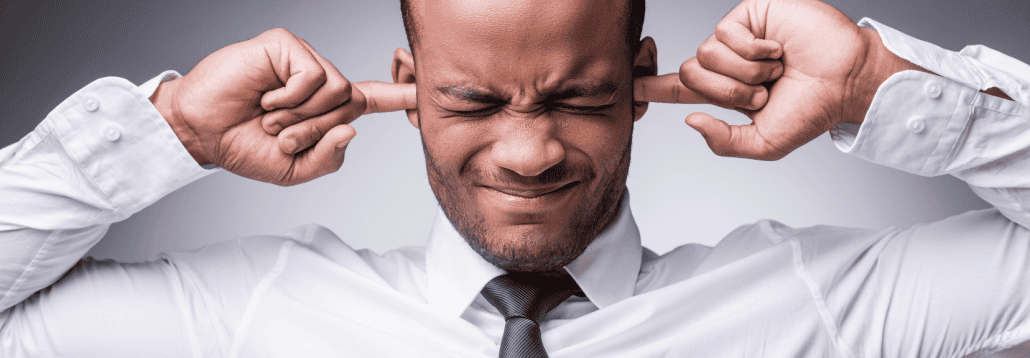
Noise-induced hearing loss (NIHL) is one of the most common yet preventable forms of hearing damage. It happens when sounds are too loud, last too long, or both. Over time, the delicate hair cells in the inner ear become damaged and stop working. Once these cells are gone, they do not grow back.
In Memphis, noise is a part of daily life. From live music on Beale Street to factories, construction sites, and sporting events, residents are often exposed to sounds that can put hearing at risk. The good news is that with awareness and protection, most cases of NIHL can be avoided.
This guide explains the causes, symptoms, prevention strategies, and treatment options for noise-induced hearing loss, with examples tailored to the Memphis community.
What Causes Noise-Induced Hearing Loss?
Loud Music and Entertainment
- Concerts, music festivals, and nightclubs often reach sound levels above 100 decibels (dB).
- Beale Street’s lively clubs are a highlight of Memphis culture, but repeated nights out without hearing protection can add up to long-term damage.
Occupational Hazards
- Factories, warehouses, and construction sites in and around Memphis regularly expose workers to machinery and tools that produce sounds above safe levels.
- Even jobs like landscaping, farming, or airport ground crew work can be risky.
Recreational Activities
- Hunting, shooting sports, and fireworks expose people to short bursts of extreme noise sometimes over 150 dB.
- Motorcycles, speedboats, and car racing events also present risks.
Military and Law Enforcement Service
- Veterans and active service members often experience NIHL from firearms, explosives, or heavy vehicles.
- Law enforcement officers may face sudden, unexpected blasts that can harm hearing.
How Loud is Too Loud?
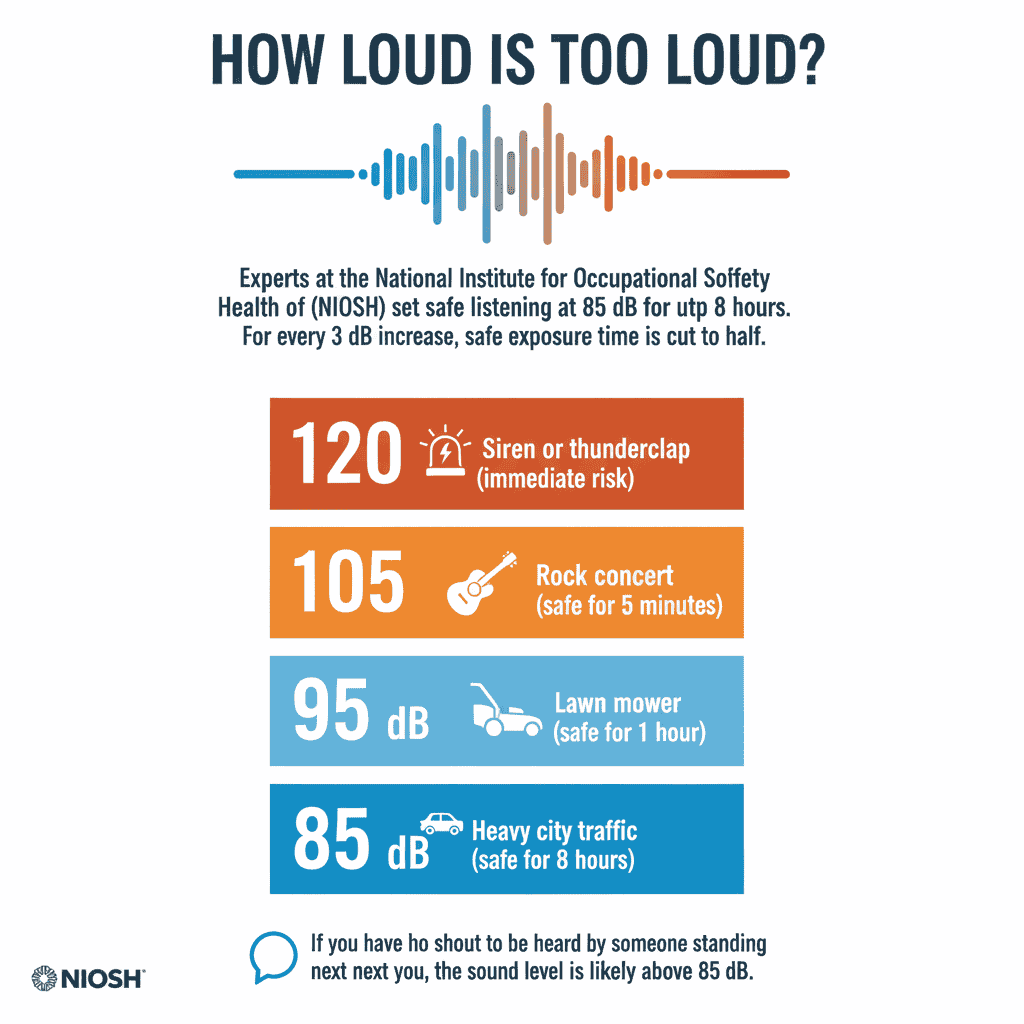
Experts at the National Institute for Occupational Safety and Health (NIOSH) set safe listening at 85 dB for up to 8 hours. For every 3 dB increase, safe exposure time is cut in half.
- 85 dB – Heavy city traffic (safe for 8 hours)
- 95 dB – Lawn mower (safe for 1 hour)
- 105 dB – Rock concert (safe for 5 minutes)
- 120 dB – Siren or thunderclap (immediate risk)
If you have to shout to be heard by someone standing next to you, the sound level is likely above 85 dB.
Symptoms of Noise-Induced Hearing Loss
- Ringing, buzzing, or humming in the ears (tinnitus) after loud exposure
- Muffled sounds or difficulty hearing speech, especially in noisy environments
- Needing to turn up the TV or radio more than usual
- Feeling that people are mumbling when they talk
These symptoms may fade after a night out but can become permanent with repeated exposure.
Why Memphis Residents Are at Higher Risk
Music and Cultural Events
Memphis is known as the Home of the Blues and the Birthplace of Rock ‘n’ Roll. From outdoor festivals like Memphis in May to smaller local gigs, music culture is deeply rooted here. While this brings joy to many, it also increases exposure to dangerous sound levels.
Industrial Work
The Memphis area has a strong presence in manufacturing, shipping, and agriculture. Many of these industries involve loud machinery. Workers who do not consistently use protection are at greater risk of NIHL.
Sporting Events and Fireworks
From basketball games to Fourth of July fireworks along the Mississippi River, community events can be surprisingly loud. Attending these without hearing protection adds to cumulative risk.
Prevention: How to Protect Your Hearing
Wear Hearing Protection
- Custom earplugs: Available at clinics like Professional Audiological Services in Memphis. They provide a comfortable fit and effective protection.
- Noise-reducing earmuffs: Ideal for children or when around machinery.
- Musicians’ earplugs: Lower sound evenly, so music still sounds clear.
Control Your Environment
- Move away from speakers at concerts or clubs.
- Limit time in noisy venues.
- Choose quieter restaurants or event spaces when possible.
Use Technology Wisely
- Set personal devices (phones, headphones, tablets) at no more than 60% of maximum volume.
- Follow the 60/60 rule: listen for no more than 60 minutes at 60% volume.
- Many smartphones now show “headphone safety” warnings—pay attention when they appear.
Regular Hearing Checkups
- Early detection helps prevent further loss.
- Memphis residents can schedule annual screenings at Professional Audiological Services for peace of mind.
Community Resources for Hearing Health in Memphis
- Memphis in May and other local festivals: Organizers often provide safety guidelines. Bring your own hearing protection if none is offered.
- Local factories and plants: Many employers have hearing conservation programs. Ask your supervisor about custom solutions.
- Schools and music programs: Encourage young musicians to use proper ear protection, especially during rehearsals or performances.
- Veterans’ groups: Local VA centers can help with hearing tests and treatment for service-related hearing issues.
Treatment Options for Noise-Induced Hearing Loss
If prevention comes too late, treatment focuses on improving communication and quality of life.
Hearing Aids
Modern devices are discreet, comfortable, and can connect to smartphones. They make it easier to hear speech in noisy environments.
Assistive Listening Devices
- Amplified phones
- TV listening systems
- Remote microphones for classrooms or meetings
Tinnitus Management
If ringing in the ears continues, specialized hearing aids and therapies can reduce the impact of tinnitus.
Counseling and Education
Learning coping strategies, using lip-reading cues, and communicating with family members all help improve day-to-day interactions.
The Link Between Hearing Loss and Overall Health
Noise-induced hearing loss does not only affect your ears. Research shows it can lead to:
- Social isolation
- Cognitive decline and dementia risk
- Increased risk of falls and balance issues
Protecting your hearing protects your long-term health.
Simple Steps to Safer Hearing
- Avoid loud environments when possible.
- Always carry earplugs if you attend concerts, festivals, or games.
- Follow safe listening guidelines with headphones.
- Schedule regular hearing checks—especially if you live or work around constant noise.
Protecting Your Hearing in Memphis
Noise-induced hearing loss is permanent but preventable. By understanding risks and using the right protection, Memphis residents can continue enjoying the city’s music, culture, and community events without sacrificing their hearing.
Whether you work in a factory, attend live shows on Beale Street, or just want to keep your ears safe for years to come, prevention starts with awareness and action.
Call to Action
At Professional Audiological Services, we have been serving Memphis families for over 30 years. Our team of audiologists provides comprehensive hearing tests, custom ear protection, and advanced hearing aid solutions.

