

The Disturbing Link Between Hearing Loss and Depression
A startling 33% of adults over 70 have severe hearing loss. But it’s important to note that even by the relatively young age of 55, nearly 10% of us will already have hearing loss that’s bad enough to hinder our careers, ability to take care of ourselves, hobbies, and relationships. So it’s no wonder that there might be a link between hearing loss and depression. But what are the studies showing?
How Hearing Loss May Contribute to Depression
The rates of depression more than double in those living with hearing loss when compared to people who still have most of their hearing.
As a hearing person, we build our lives around our ability to hear. Music and talking on the phone are important parts of our daily lives. We interact with a cashier. We have hobbies and get to enjoy hearing a grandchild’s laughter.
But, as a person loses their hearing, they feel less connected to the world. It becomes harder to “try to hear” and we get tired of asking people to repeat themselves. We miss the punchlines to stories told around the dinner table.
As a result, we retreat into ourselves, which can exacerbate not only depression, but also anxiety, social isolation, and poorer quality of life. We feel alone even when sitting in a room with loved ones.
But the good news is that this increased risk of depression isn’t inevitable. A person losing their hearing can stay connected with the people they love if they know the secret.
How to Reduce the Risk of Depression from Hearing Loss
Studies only show higher rates of depression in those with “untreated hearing loss”. Wearing your hearing aids regularly lowers your risk to that of hearing person of the same age.
Sadly, only about 25% of people who need hearing aids in Tennessee wear them. And most people wait up to seven years after they need one to get one. During that time, they’re already beginning to feel the effects of social isolation and may not realize it.
Hearing loss is best treated early before it impacts our relationships, career, and enjoyment of life. It’s harder to get those things back once we’ve pulled away from life.
If you or a loved one are showing signs of hearing loss, it’s time to get a hearing test, stay connected, and continue to enjoy life.
 https://www.professionalaudiologicalservices.com/wp-content/uploads/2026/04/pas-blog-header-7.png
288
828
admin
https://www.professionalaudiologicalservices.com/wp-content/uploads/2013/02/logo.png
admin2026-04-23 08:00:002026-04-16 05:03:54What is Ménière’s Disease? Symptoms, Causes, and How an Audiologist in Memphis Can Help
https://www.professionalaudiologicalservices.com/wp-content/uploads/2026/04/pas-blog-header-7.png
288
828
admin
https://www.professionalaudiologicalservices.com/wp-content/uploads/2013/02/logo.png
admin2026-04-23 08:00:002026-04-16 05:03:54What is Ménière’s Disease? Symptoms, Causes, and How an Audiologist in Memphis Can Help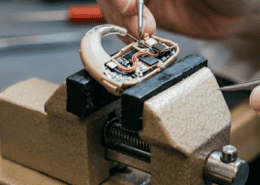 https://www.professionalaudiologicalservices.com/wp-content/uploads/2026/04/pas-blog-header-5.png
288
828
admin
https://www.professionalaudiologicalservices.com/wp-content/uploads/2013/02/logo.png
admin2026-04-10 08:00:002026-04-09 08:01:58On-Site Repairs vs. Manufacturer Repairs: The Fast Track to Better Hearing
https://www.professionalaudiologicalservices.com/wp-content/uploads/2026/04/pas-blog-header-5.png
288
828
admin
https://www.professionalaudiologicalservices.com/wp-content/uploads/2013/02/logo.png
admin2026-04-10 08:00:002026-04-09 08:01:58On-Site Repairs vs. Manufacturer Repairs: The Fast Track to Better Hearing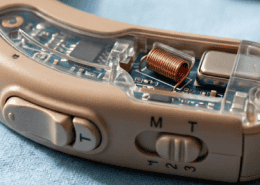 https://www.professionalaudiologicalservices.com/wp-content/uploads/2026/03/pas-blog-header-3.png
288
828
admin
https://www.professionalaudiologicalservices.com/wp-content/uploads/2013/02/logo.png
admin2026-03-26 07:00:002026-03-29 20:29:11How the T-Coil Feature Can Change Your Life
https://www.professionalaudiologicalservices.com/wp-content/uploads/2026/03/pas-blog-header-3.png
288
828
admin
https://www.professionalaudiologicalservices.com/wp-content/uploads/2013/02/logo.png
admin2026-03-26 07:00:002026-03-29 20:29:11How the T-Coil Feature Can Change Your Life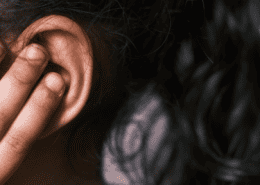 https://www.professionalaudiologicalservices.com/wp-content/uploads/2026/02/pas-blog-header-2.png
288
828
admin
https://www.professionalaudiologicalservices.com/wp-content/uploads/2013/02/logo.png
admin2026-03-16 08:00:002026-02-20 03:17:02Hearing Loss Isn’t Painful, But Its Causes Can Be
https://www.professionalaudiologicalservices.com/wp-content/uploads/2026/02/pas-blog-header-2.png
288
828
admin
https://www.professionalaudiologicalservices.com/wp-content/uploads/2013/02/logo.png
admin2026-03-16 08:00:002026-02-20 03:17:02Hearing Loss Isn’t Painful, But Its Causes Can Be

I had no idea that 33% of adults over 70 have severe hearing loss. My mother has been asking us to repeat ourselves more and more often these days, and I think she might need a hearing aid soon. It might be a smart idea for me to take her to get her hearing tested.